The commander's game · Windows · macOS, iPhone and Xbox to come
Forty eras. One way out.
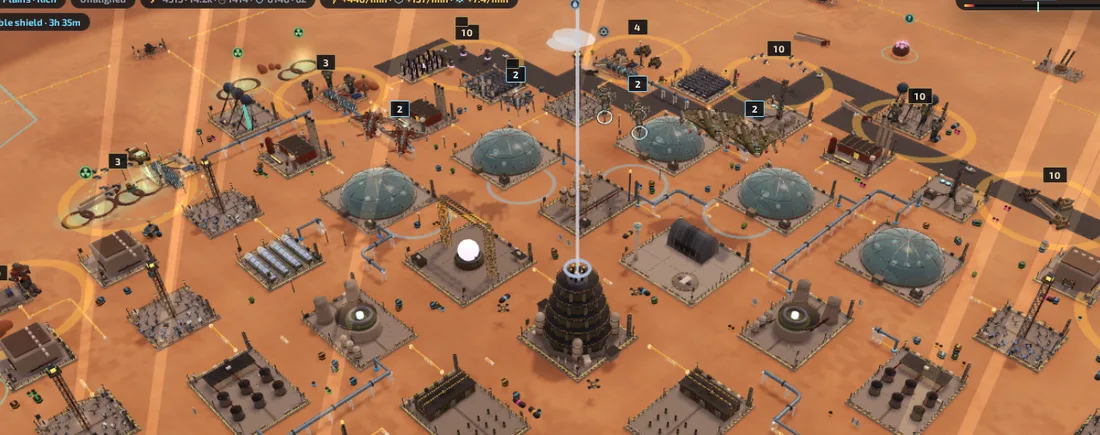
A colony that reads from the air
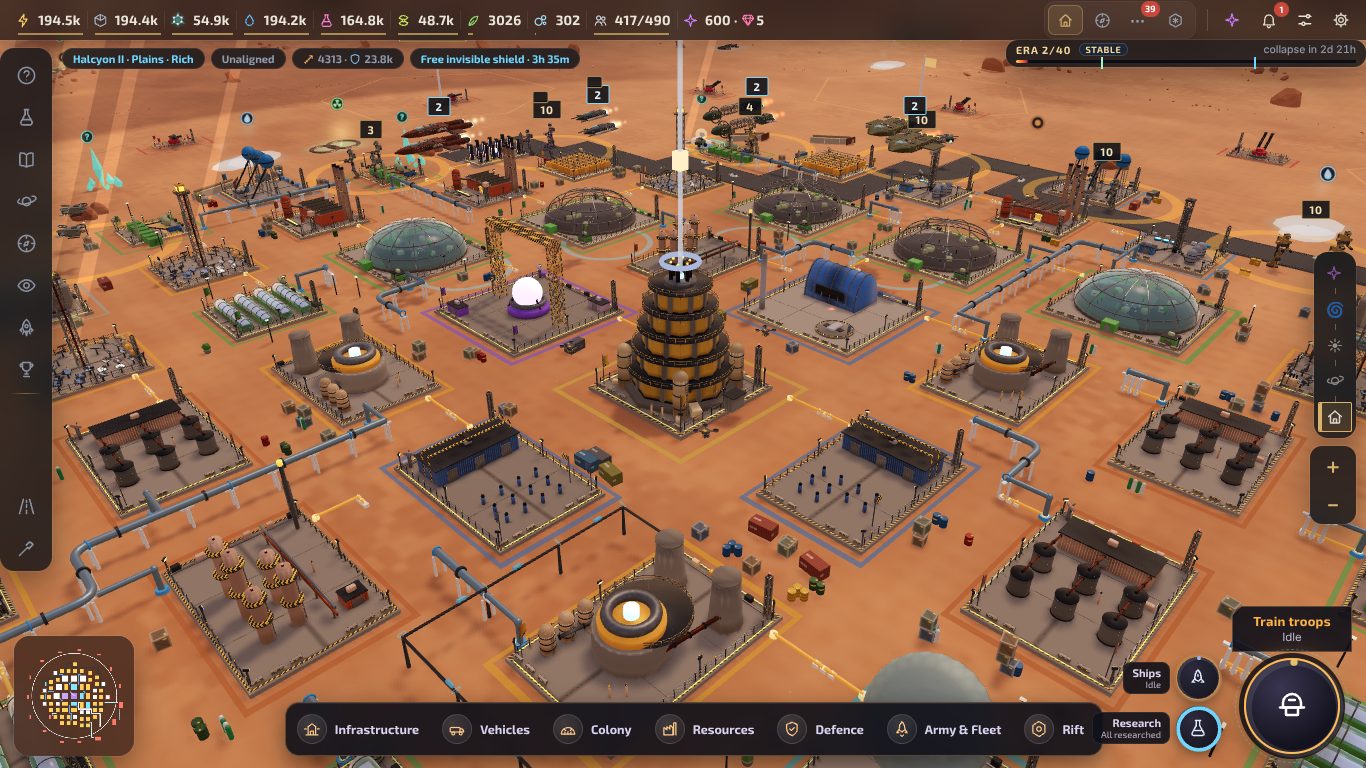
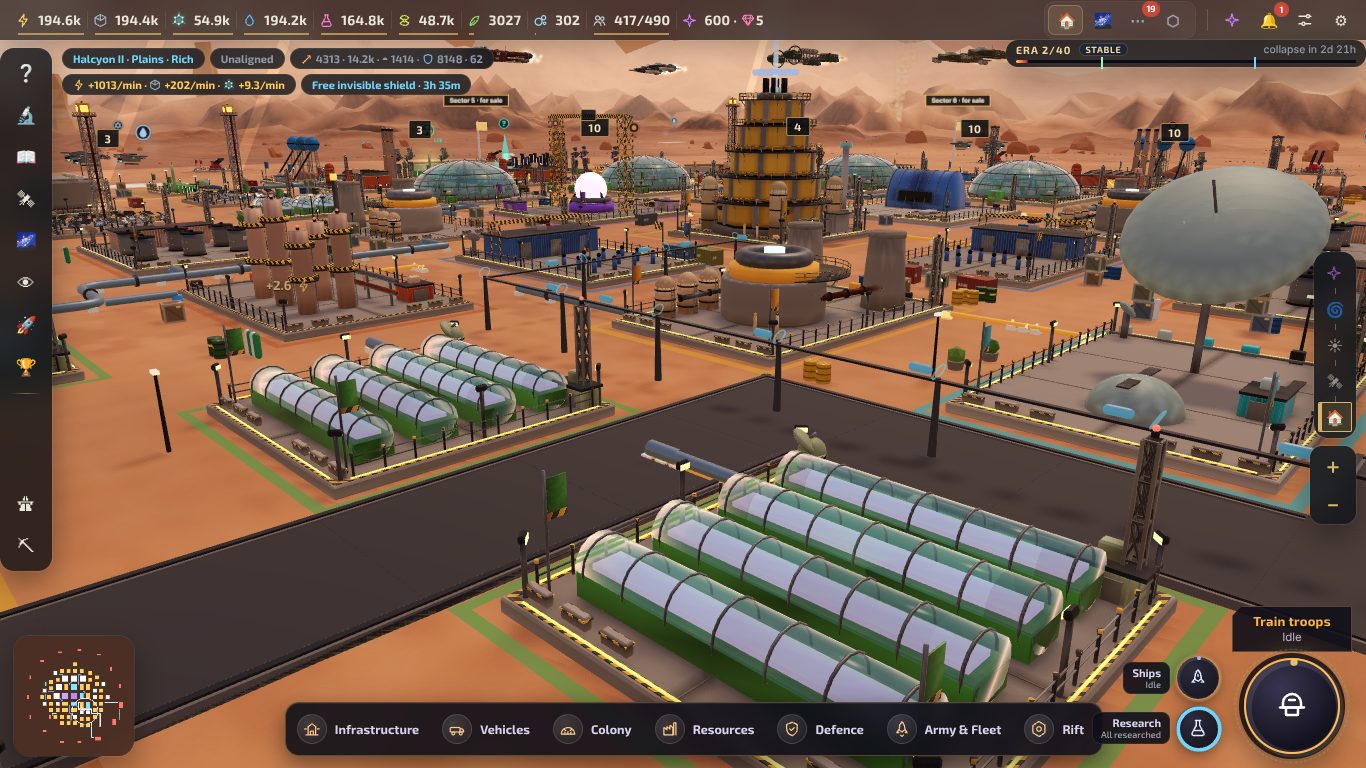
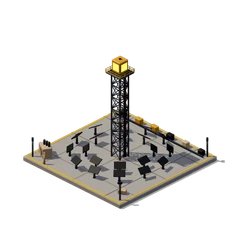
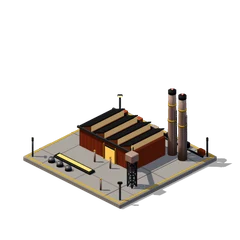
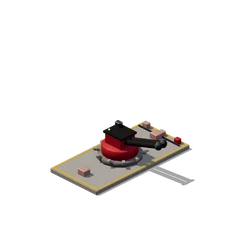
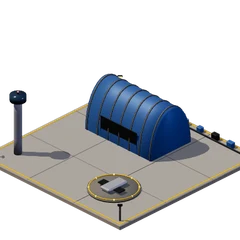
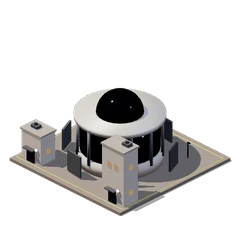
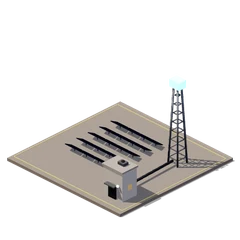
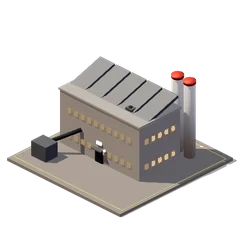
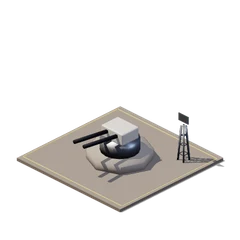
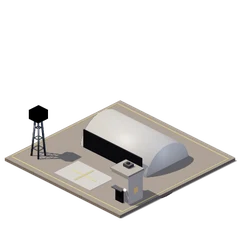
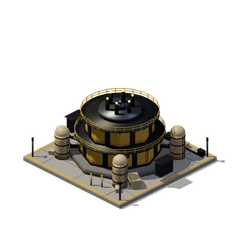
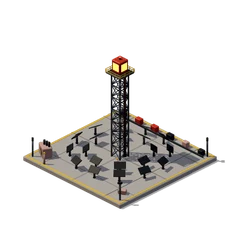
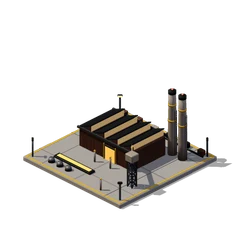
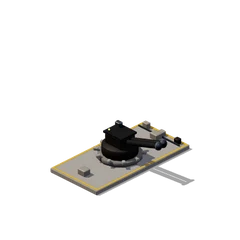
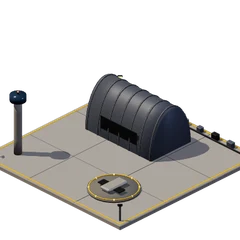
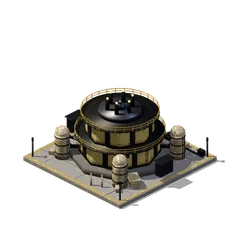
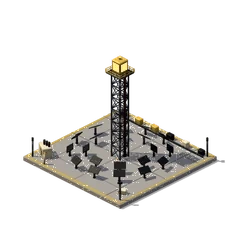
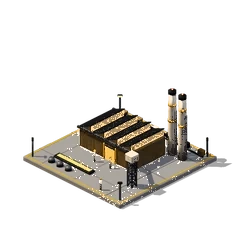
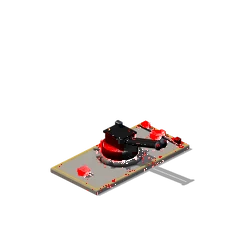
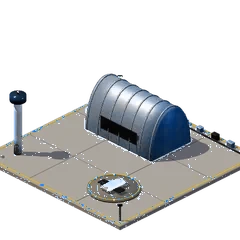
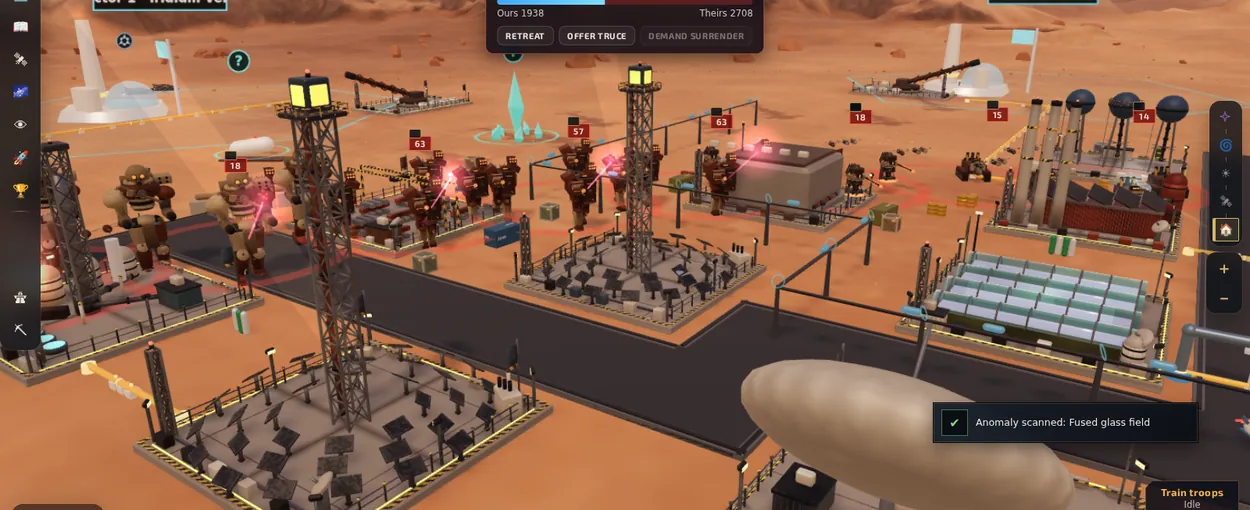
Every building wears the colour of its job: power amber, water blue, defence red. Roads, cables and pipes you lay yourself; a Gluon dome that turns the weather into something you watch from inside.
A universe that moves without you
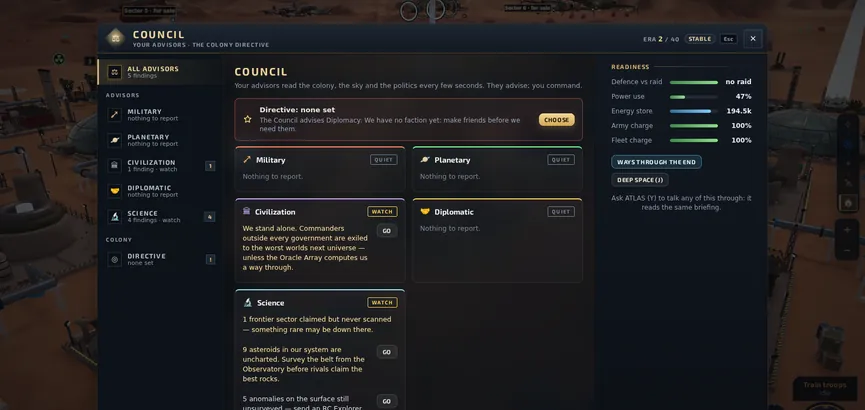
Fifty commanders trade, raid, form factions and governments, vote on resolutions and build the Rift Engine together, then argue about who flies it. Visit their stars. Intercept their raids on the way in.
The star does not wait
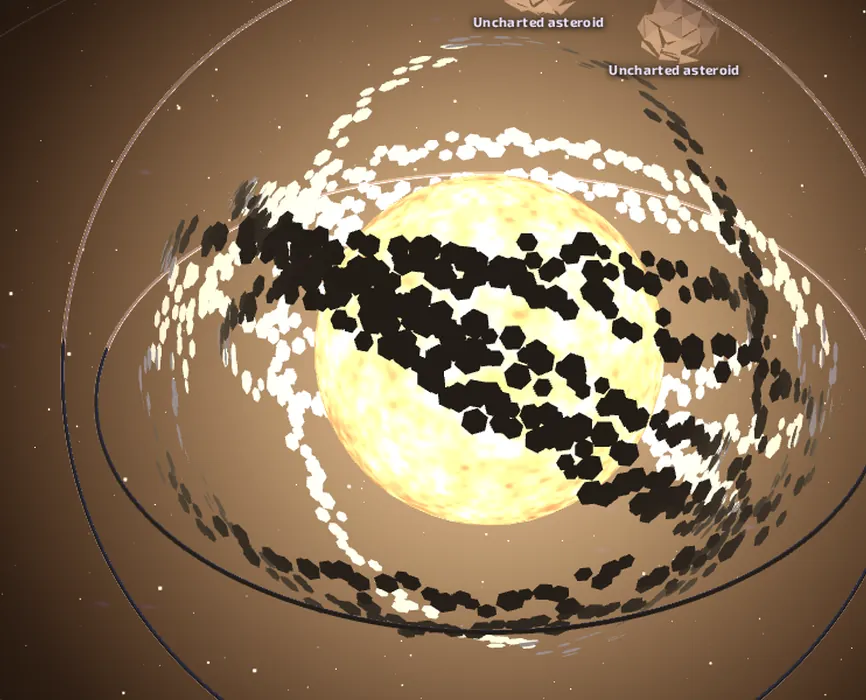
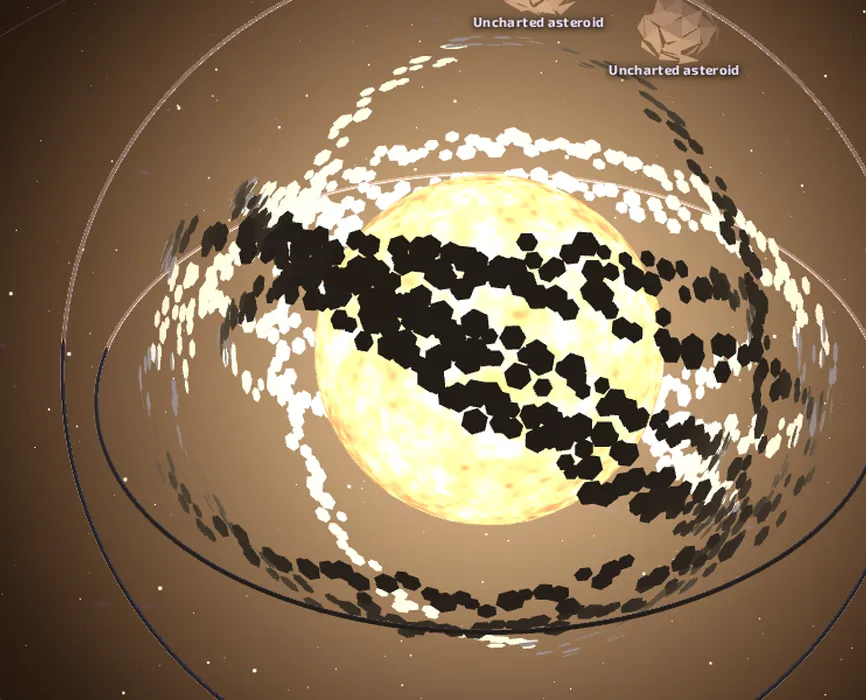
Ten stable eras, then it begins to fail. Chaotic eras, flares, the Long Night. The belt, the neighbouring stars, the Last Sun. At era forty the universe collapses, and the Rift Engine leaves with the government that built it, one commander in the pilot’s seat.
The Workshop · creators
Other people's universes
A pack is a cast of named rivals with their own voices, an era script of
events on the forty-era clock, a livery (the paint on every building, by job) and a scenario that binds the three
together with an ending worth a title. Two ship with the game, and the Workshop is where the rest live: browse it in game under
Settings → Legacy & Workshop and install in a tap, no account needed. Survive five universes and you become an
Architect, which turns one universe you have finished into a pack others can play.
Standard kit
Peekay’s Kit
Ashfall liverycorecollectorforgebatteryhangar
Two sizes of contribution. A livery repaints a
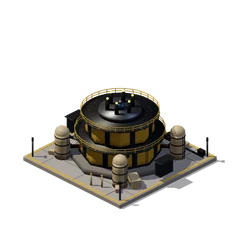
building by job, so a colony changes colour and keeps its shape. Models rebuild the building itself — silhouette
included — a different Photon Collector doing the same job, on the same plot, for the same numbers.
core
power
water
industry
store
life
science
defence
army
rift
The Ashfall Compact
A dying red giant, four rivals who remember the last universe, and an era
script that turns the neighbourhood against you by era twenty. Painted on the standard kit.
4 rivals · 6 era events · “Ashfall” livery · a scenario
core
power
water
industry
store
life
science
defence
army
rift
The Lantern Accord
The same four parts in a different voice: a cast that argues about the
Accord, an era script built around one long trade war, and the lantern livery. It is also the pack the creator-made
building work is being designed around; see the Blender kit below.
4 rivals · 7 era events · “Lantern” livery · a scenario
Nothing in a pack is an advantage
A pack changes how a universe looks and reads, never what it is worth.
Anything that changes how a universe plays is free. A creator kit replaces the buildings themselves —
Peekay’s Photon Collector is a different machine from the standard one — while the plot it stands on and the
numbers it produces stay exactly as they were.
The game is free from 1 December, on Steam and from here. What is for sale
is creator content — a livery, a set of models — priced by whoever made it, with half of what reaches us going to
them. Buying direct keeps the store's 30% between you, the creator and us.
Everything in the shop is also earnable in game: ✦ 40 from your own stores,
a legacy voucher for surviving a universe, a gift from a commander, or by finishing the pack’s own scenario. Buying only
means not waiting. Liveries and models are what can be sold; anything that changes how a universe plays is free.
Steamcoming soonThe store page is not up yet. Until it is, buying
here is the way.
Anything marked with a date is a pre-order:
charged now, delivered then, refundable if it slips — just reply to the receipt. Payments run through Paystack.
On the shelf now
Live from the Workshop. Install any of these
in game under Settings → Legacy & Workshop.
The Codex
Read the game before you install it
The game carries its own encyclopedia: how a colony is built and lost, and the real
science underneath it. Every building, ship and resource says plainly whether it is real today, possible in
theory or science fiction: the Kilopower reactor that ran for 28 hours, the ice in the Moon's shadowed
craters, the 1859 Carrington storm that set telegraph wires sparking. It is published here, generated from the same
file the game reads, so the two can never disagree.
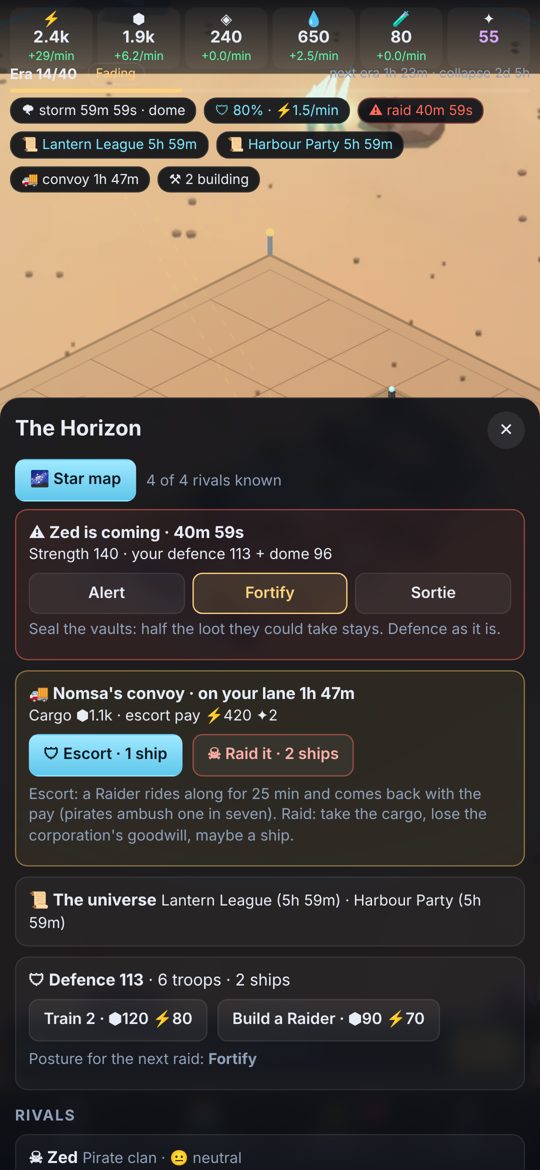
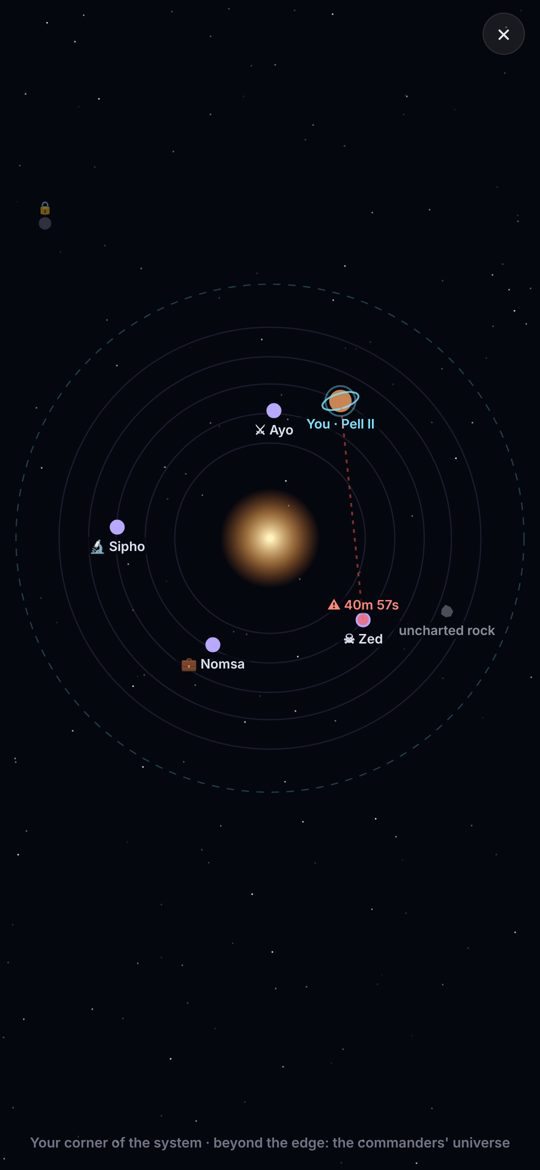
You are not a commander. You are one small colony on the edge of that same dying universe. Build in real time, come back to collect, survive the flares, hold the dome. Four rivals share your corner: trade with them, repel their raids, escort or raid the convoy. Elections and resolutions reach you as news. At era forty the universe collapses here too; the Rift Engine left with a commander’s government aboard, not with you.
Free, no ads, no purchases. Link one account and your outpost titles appear in the commander's game, and the commander becomes your patron.